What This Article Covers
This article explains the cockpit drill, why it is essential for safe driving, and the simple steps drivers should follow to adjust seating, mirrors, and controls before starting a vehicle.
Preparing the Driver Before the Journey Begins
Ever heard of the cockpit drill? No, it’s not related to an aircraft, but a set of checks that a driver should do before starting a vehicle. The cockpit drill, as it is called, is one of the most important safety routines that takes place inside a vehicle, even before a car starts moving. Whether it’s adjusting the mirrors or seating positions, or checking basic controls like lights and wipers, these checks are meant to ensure the driver can drive comfortably, see clearly, and react safely on the road.
Drivers, especially learners, often underestimate the importance of these small checks and adjustments. However, experienced instructors know that good driving begins with proper preparation. That’s why the cockpit drill is one of the first things taught to instructors in professional driving instructor courses like the accredited TLI41225 certificate program. These courses teach instructors how to ensure learners form the habit of taking a few moments before starting the vehicle for these checks that can help improve their control, visibility, and awareness.
What Is the Cockpit Drill?
The cockpit drill is a set of routine checks that helps a driver become well-prepared to face the various challenges on the road. This short routine ensures their vehicle and driving position are properly set up by focusing on the proper positioning. Most driving instructor course emphasise the importance of teaching this drill to the aspiring instructors. of the seat, mirror, and steering wheel, and checking the features like lights, etc. When done regularly, this routine can become second nature for drivers, reducing risk and preparing learners to always drive safely.
Why Is the Cockpit Drill Important?
Wondering why you need this drill? Imagine you’re on the road, but your lights are not working properly, or you have to strain to reach the steering wheel. You’ll be distracted most of the time, struggling to control the vehicle. You might not notice the hazards around you and end up colliding or getting hurt. The cockpit drill ensures you’re properly seated, and the car controls are properly set and within reach before you start driving. These checks are meant to ensure the driver can reach the pedals and steering wheel comfortably and has the best possible view of the road and the surrounding traffic.
To cut a long story short, the cockpit drill sets the foundation for safe driving before the journey even begins.

Steps of the Cockpit Drill
Here are the steps of the cockpit drill:
Close Doors and Fasten Seatbelt
Ensure all the doors are properly closed, and your seatbelt is securely fastened before you start the car. If you have passengers, ensure they’re also wearing their seatbelts properly. This basic check ensures everyone is safe and secure when the car starts.
Adjust the Seat
When you drive, you should be seated such that you can easily reach the pedals and the steering wheel, to apply the pedals smoothly and maintain proper vehicle control. So, before you start the car, make sure you can reach the pedals comfortably while keeping a slight bend in your knees.
Set the Seat Height and Backrest
Drivers should have a clear view of the road ahead. Adjust your seat height such that you have an upright posture supported by the backrest, and you see clearly and steer comfortably without leaning forward.
Adjust the Headrest
Another important adjustment (if it's not already made) is the proper position of the headrest. The top of the headrest should align with the top of your head. This helps protect your neck and reduces the risk of injury in a collision.
Adjust the Steering Wheel
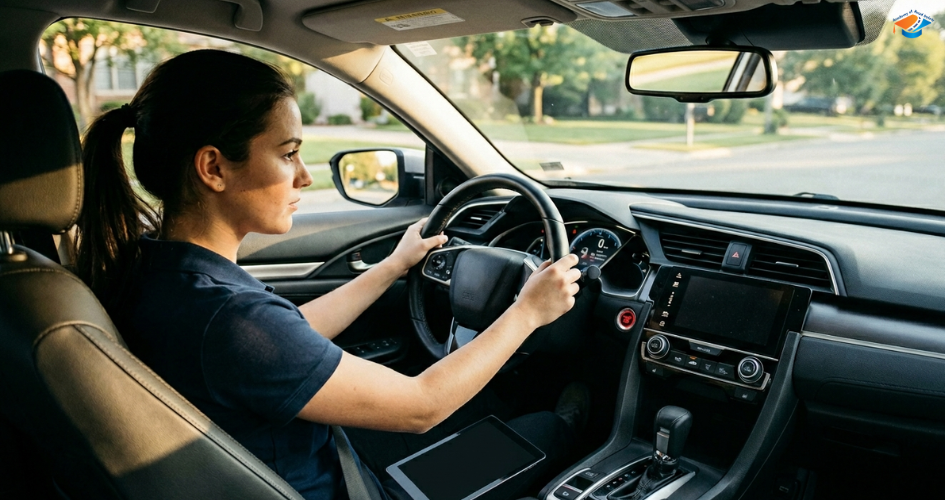
Holding the steering wheel properly and comfortably helps you drive without strain or stress. Ensure the steering wheel is at a distance where your hands can grip it comfortably while your arms remain slightly bent. This position allows better steering control and quicker reactions if needed.
Set the Mirrors
Mirrors are there to give you a clear view of the traffic around you. However, they need to be adjusted properly to reduce blind spots and give you a clear view. Proper adjustment of side-view and rear-view mirrors helps drivers remain aware of vehicles approaching from behind or beside them.
Check All Controls
Before driving, check essential controls such as indicators, headlights, windscreen wipers, and hazard lights. Knowing whether these controls are working properly prevents distractions while driving.
Final Thoughts
Simple habits like adjusting the seat, mirrors, and controls before every journey can make a lasting difference in road safety. Despite being a quick check, the cockpit drill makes a significant contribution to the driver’s safety. It helps drivers feel more comfortable and in control, which improves their reaction time and road awareness.
Proper preparation is one of the first lessons taught in professional driving instructor courses like the TLI41225 program. If you are an aspiring instructor passionate about teaching safe driving habits, consider starting your journey with the Academy of Road Safety. Enrol in our Driving Instructor Courses to gain the knowledge and skills needed to guide the next generation of safe drivers.
Frequently Asked Questions
Q1. What is the cockpit drill in driving?
A: The cockpit drill is a routine drivers follow before driving to adjust the seat, mirrors, steering wheel, and controls to ensure comfort, visibility, and safe vehicle control.
Q2. Why is the cockpit drill important for learner drivers?
A: It helps learners develop safe driving habits by ensuring they are comfortable, have clear visibility, and can control the vehicle properly before starting their journey.
Q3. When should the cockpit drill be performed?
A: The cockpit drill should be done every time before driving, especially at the start of a lesson or before beginning a journey.
Q4. What happens if the driving position is incorrect?
A: Poor seating and mirror positioning can reduce visibility, slow reaction time, and make controlling the vehicle more difficult.
Q5. Do driving instructors teach the cockpit drill?
A: Yes. Professional instructors teach the cockpit drill early in training because it is a fundamental safety practice taught in structured programs such as TLI41222.