
Not all learner drivers are the same. Teaching a 16-year-old who’s just getting behind the wheel feels completely different from helping a 40-year-old finally conquer their fear of driving. While the end goal is the same—safe, confident, and responsible drivers—the journey requires instructors to adapt their approach based on the learner’s age, mindset, and experience.
Let’s explore the unique challenges of teaching teens versus adults, and how instructors can adjust their teaching style to make every lesson productive and stress-free.
Just like no two fingers are the same, people also have different learning styles when driving. While a teenager would be ready to take risks and explore more, an adult would be careful and hesitant. While you can learn the theoretical aspects of teaching driving to teens as well as adults in a well-designed driving instructor course, putting it into practice is what gives you insight, professional experience, and knowledge. But no matter which age group you're teaching, the end goal of a driving instructor is to ensure their students become safe, confident, responsible, and skilled drivers. In this post, we'll explore how teaching teens is different from teaching adults and offer simple tips for instructors to adjust their teaching style accordingly.
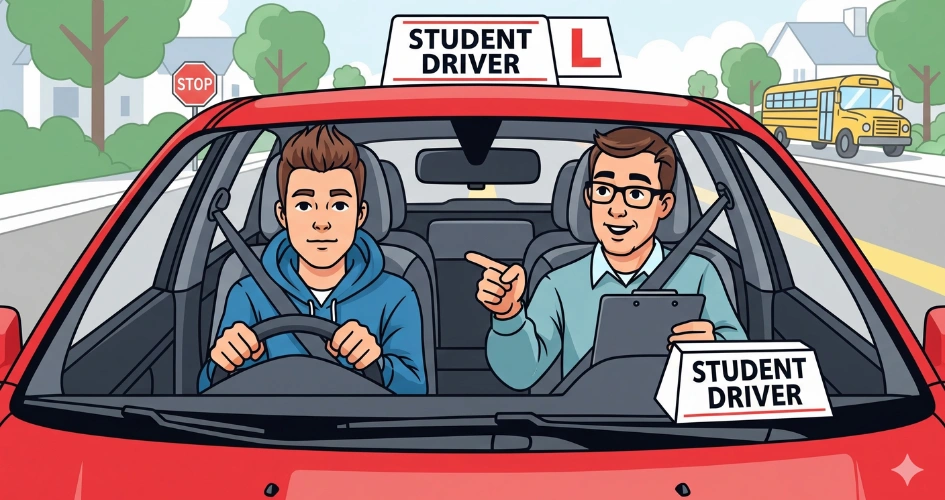
Teaching Teens: Building Confidence and Patience
Teenagers often bring a mix of excitement and nerves to their first lessons. They’re quick to learn, but also quick to get distracted or overwhelmed. The key here is guidance with patience—helping them balance their eagerness with responsibility.
Tips for Teaching Teens
-
Set Clear Expectations: Structured lessons that clearly outline what they’ll learn, how, and when work best for teens. Teenagers look for structure and system. When you give them a proper, structured lesson plan, they can prepare accordingly and feel in control.
-
Use Positive Reinforcement: Teach students to appreciate small wins and look for positives in every situation. Praise good habits like smooth braking or mirror checks, while gently correcting mistakes. This helps build confidence and develop a safety-first approach in their driving behaviour.
-
Focus on Fundamentals: Teenagers are often too excited and in a rush to learn everything at once. Teach them the importance of going slowly and creating a solid foundation of basic skills like steering, observation, and road positioning. Once they master these basics, learning the more advanced skills will become easier and more natural.
-
Be Patient: Teens may need extra time to process instructions. Plus, they would also lack the patience to wait and learn slowly. In such cases, instructors must have patience. When instructors are calm, it helps reduce students’ anxiety and builds trust.
-
Incorporate Engaging Examples: Make it relatable and simple. For example, practise driving to school, sports clubs, or a friend’s house. It makes lessons more meaningful and fun.
With teens, the goal is to build confidence while reinforcing responsibility. They need to feel capable without becoming overconfident.
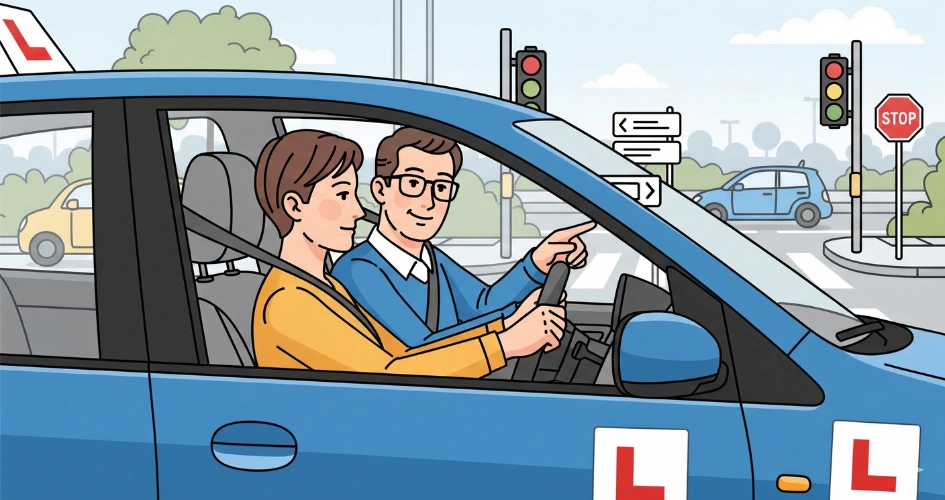
Teaching Adults: Overcoming Fear and Preconceptions
Adults bring a different set of challenges. Some may have put off driving due to fear, while others are starting fresh after years of relying on public transport. Unlike teens, adults usually approach driving with more caution—and sometimes more anxiety.
Tips for Teaching Adults
-
Acknowledge Their Background: Some adults may have tried learning before or have strong feelings about driving. Driving instructors should recognise their journey, acknowledge their struggles, and adapt accordingly.
-
Address Anxiety: Driving lessons should begin in quiet, low-pressure environments before gradually progressing to busier roads, especially when teaching adults. This helps reduce stress, overcome any fear of driving, and build confidence step by step.
-
Encourage Questions: Adults often want to understand the "why" behind instructions. They need to have context, relevance, and clarity before doing anything. Instructors should allow space for discussion and provide detailed explanations.
-
Focus on Practicality: Adults tend to focus on the practical aspects of driving. They would appreciate lessons tied to real-life scenarios, such as parallel parking, merging onto freeways, or handling school drop-off zones.
-
Be Respectful and Collaborative: Treat adult learners as partners in the process, instead of novices. A collaborative approach fosters trust and makes them more receptive to guidance.
With adults, the goal is to replace fear with control and help them see driving as an achievable, empowering skill.
Key Takeaway: Flexibility is Everything
Whether teaching teens or adults, the golden rule is flexibility. No two learners are the same. By adapting your tone, pace, and teaching methods to suit the learner’s stage of life, you’ll create a more supportive and effective learning environment.
A teenager might need reassurance that they’re doing fine, while an adult might need extra practice in quiet streets before braving peak-hour traffic. Both journeys are valid—and both require patience, empathy, and a personalised approach.
Conclusion
Driving is a life skill that opens doors to independence, opportunity, and confidence. But teaching it is never a one-size-fits-all process. Teens and adults bring very different strengths and challenges to the wheel, and the best instructors know how to adapt accordingly.
Whether you’re helping a teen prepare for their first solo drive or guiding an adult past years of hesitation, the focus remains the same: creating safe, capable, and confident drivers for life. Learn how to adjust your teaching style between teens and adults through structured driving instructor courses at the Academy of Road Safety. Enrol today and begin your journey towards becoming a flexible, inclusive, and adaptable driving instructor.
FAQs
Q1: What is the main difference between teaching teens and adults to drive?
A: The primary difference lies in their mindset and approach. Teenagers often bring a mix of excitement and inexperience, while adults may be more cautious and anxious, sometimes due to past fears or a lack of recent driving experience.
Q2: How should I adapt my teaching style for teenagers?
A: When teaching teens, it's essential to build confidence and reinforce responsibility. Use positive reinforcement to praise good habits, provide clear and structured lesson plans, focus on mastering fundamental skills, and incorporate engaging, relatable examples to make the lessons fun and meaningful.
Q3: What are the best strategies for teaching adults to drive?
A: For adults, the key is to help them overcome fear and preconceptions. Acknowledge their background, begin in low-pressure environments to address anxiety, encourage questions to provide context, focus on practical, real-life scenarios, and maintain a respectful, collaborative approach.
Q4: Is the ultimate goal of a driving instructor different for teens and adults?
A: No, the ultimate goal remains the same for both age groups: to ensure they become safe, confident, responsible, and skilled drivers. The path to achieving this goal, however, requires a different approach based on the learner's age and needs.
Q5: Why is flexibility important when teaching driving?
A: Flexibility is crucial because no two learners are the same. By adapting your tone, pace, and teaching methods to suit the individual learner's age and stage of life, you create a more supportive and effective learning environment that helps build trust and confidence.
Q6: What specific challenges do adults face when learning to drive?
A: Adult learners often face challenges such as overcoming existing fears, addressing anxiety, and dealing with any preconceptions or past negative experiences they may have. They may also need to understand the "why" behind instructions and focus on practical applications of driving skills.