What This Article Covers
This article breaks down why signalling matters, when to use different signals, common mistakes drivers make, and how simple habits can make a big difference to road safety. It also sheds light on how driving instructor courses help train instructors in the best methods to teach signalling to learners.
The Simple Habit That Can Prevent Accidents
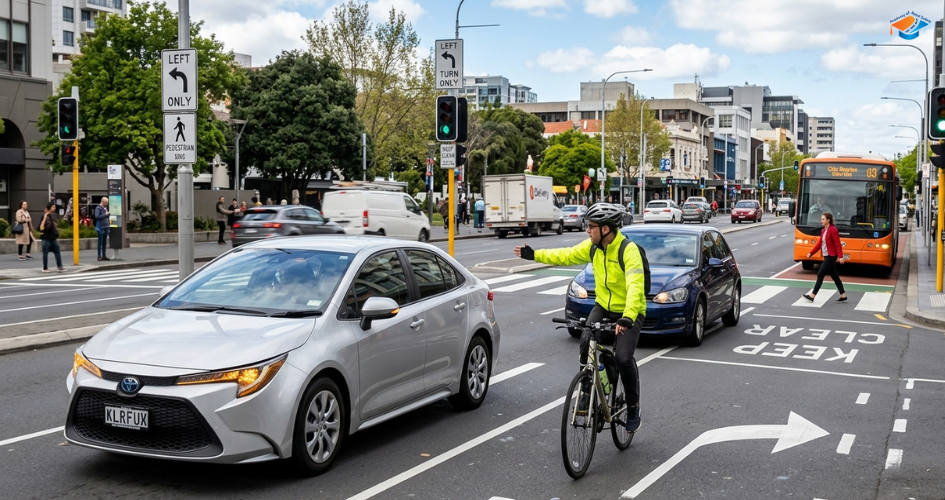
Imagine what would happen if drivers on the road drove however they wished without telling each other anything? Chaos, confusion and collisions would surely follow, right? Communication is important in driving, and not just for drivers, but for everyone who uses the road. When you drive, you interact with other road users too, whether it's other drivers, cyclists, or pedestrians. And one of the simplest ways to communicate while driving is through signalling. Whether you’re a learner learning about road rules or an aspiring instructor taking a professional Driving Instructor Course, signalling is one of the first habits you’re taught.
You might think this is basic, but many drivers don’t know or overlook proper signalling. A missed indicator or a poorly timed signal might not sound like a big thing, but it can quickly lead to confusion or even an accident. This is why professional training programs like the nationally recognised TLI41225 qualification emphasise proper use of signals for drivers. Because safe driving is more than just reacting; it’s about communicating clearly and at the right time.
Why Signalling Is So Important
Wondering what is so essential about proper signalling? Let’s find out:
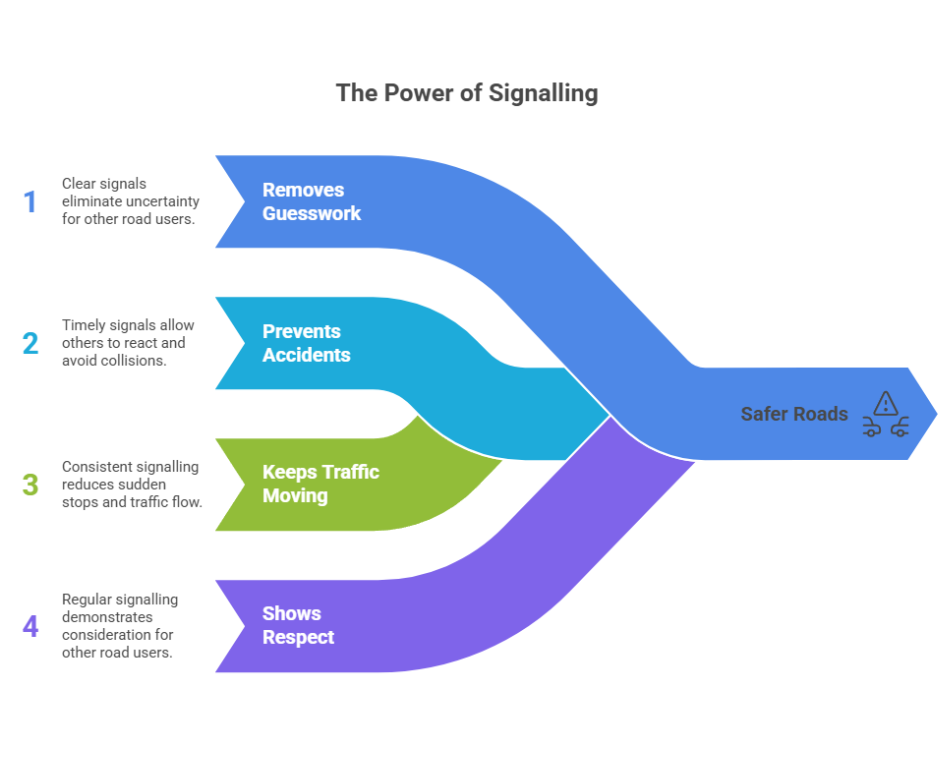
It Removes Guesswork
Proper and clear signals help you let others know exactly what you plan to do instead of leaving them guessing at your actions and making mistakes.
It Helps Prevent Accidents
When you signal clearly and at the right time, other road users have enough time to see and react appropriately. Whether someone is behind you or approaching from the side, a simple extra notice from a signal can make a big difference.
It Keeps Traffic Moving Smoothly
When drivers interact and signal each other consistently, predicting their next move becomes easier. Proper signalling helps drivers to anticipate each other’s actions, helping reduce sudden stops and letting traffic flow smoothly.
It Shows Respect for Others
Using your indicators regularly shows that you are aware of others on the road and willing to drive responsibly. It shows that you respect other drivers and want to contribute to keeping the roads safe.
Types of Signals and When to Use Them
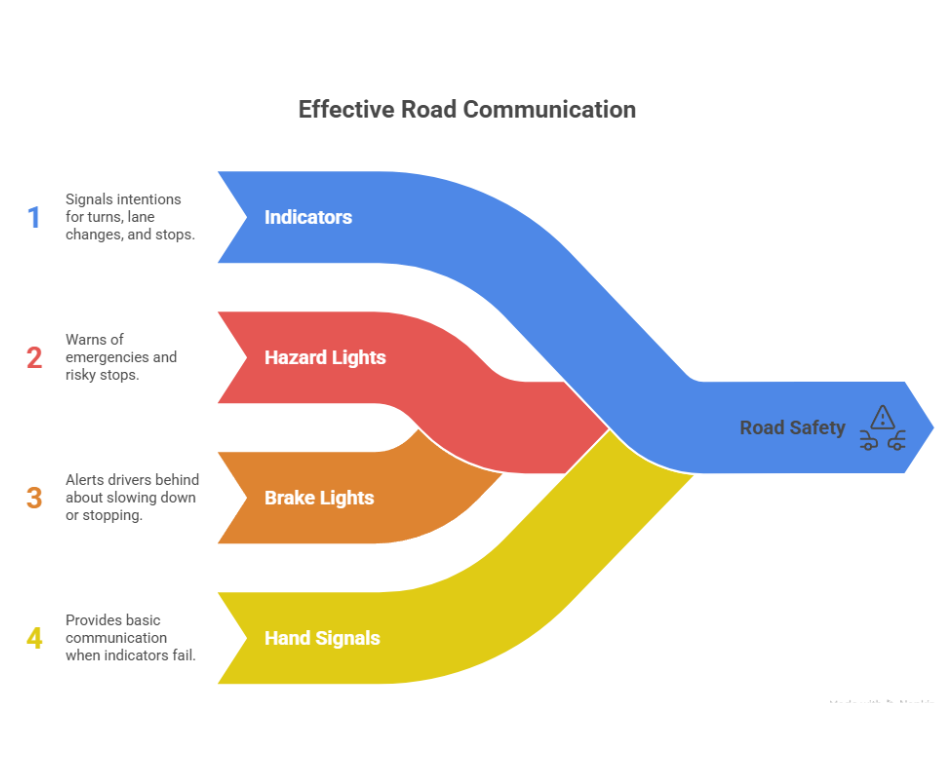
Indicators (Turn Signals)
Indicators are your main communication tool. You should use them before turning, changing lanes, merging, or pulling over. Always signal early so others have time to respond.
Hazard Lights
Hazard lights are there to warn others. So, you should use them for emergencies, such as a breakdown or when your vehicle is stopped in a risky position.
Brake Lights
Brake lights activate when you slow down or stop, helping you warn the drivers behind you that you’re stopping.
Hand Signals
Hand signals are driving basics that every driver should know. While not commonly used today, they are useful if your indicators fail.
Simple Habits for Better Signalling
Signal Early
Timely signals give other road users the essential time and notice before you make your move. So, don’t wait until the last moment, signal early and let others know your intentions.
Make It Clear
When signals are clear, there’s no confusion and chaos on the road. So always give clear signals. Ensure your indicators are working properly and clearly visible, so your signals are easily understood.
Turn Off After Use
Leaving the indicator on even after the action is over can mislead other drivers. So, once you have completed your turn or lane change, turn off your indicator.
Check Before You Move
Signalling does not mean it is safe to go. Always check your mirrors and blind spots before acting.
Be Consistent
Make signalling a habit. Even on quiet roads, always use your indicators.
Common Signalling Mistakes Drivers Make
Not Signalling at All
Signalling is important among drivers to let each other know their intentions and help them predict their actions. So, if you’re taking a turn, your signal will help other drivers know, and they will give you space and time to do so. But if you don’t signal, it leaves other drivers unaware of your intentions, leading to confusion and increasing the risks.
Poor Timing
Signalling too early or too late can confuse other drivers. Good timing is essential when signalling.
Leaving Indicators On
Forgetting to turn off your signal can make others think you are about to turn or change lanes when you are not. So, ensure you turn off your indicators after the action.
Misusing Hazard Lights
Hazard lights should only be used in genuine emergencies. Using them incorrectly can create confusion.
Conclusion
While a simple, basic habit, signalling is still essential for road safety. It helps drivers communicate clearly, reduces confusion, and prevents accidents. With proper instruction and consistent practice, learners can build strong signalling habits that help them for their entire life. That’s why most driving schools and training programs, like driving instructor courses, insist on teaching learners the importance of signalling.
If you are an aspiring instructor passionate about road safety and want to help others build these essential habits, consider starting your journey with the Academy of Road Safety. We offer a range of instructor training courses, including the nationally recognised TLI41225 qualification, to help you guide your students to become confident, responsible drivers who contribute to safer roads for everyone.
Frequently Asked Questions
Q1. Why is signalling important while driving?
A: Signalling helps communicate your intentions to other road users, reducing confusion and preventing accidents.
Q2. When should I use my indicators?
A: You should use indicators before turning, changing lanes, merging, or pulling over.
Q3. Are hazard lights used while driving?
A: Hazard lights should only be used in emergencies or when your vehicle is stopped in a dangerous situation.
Q4. Do I still need to check mirrors if I signal?
A: Yes. Signalling does not replace checking mirrors and blind spots before making a move.
Q5. What happens if I don’t signal?
A: Failing to signal can lead to confusion, increase accident risk, and may result in fines or penalties.