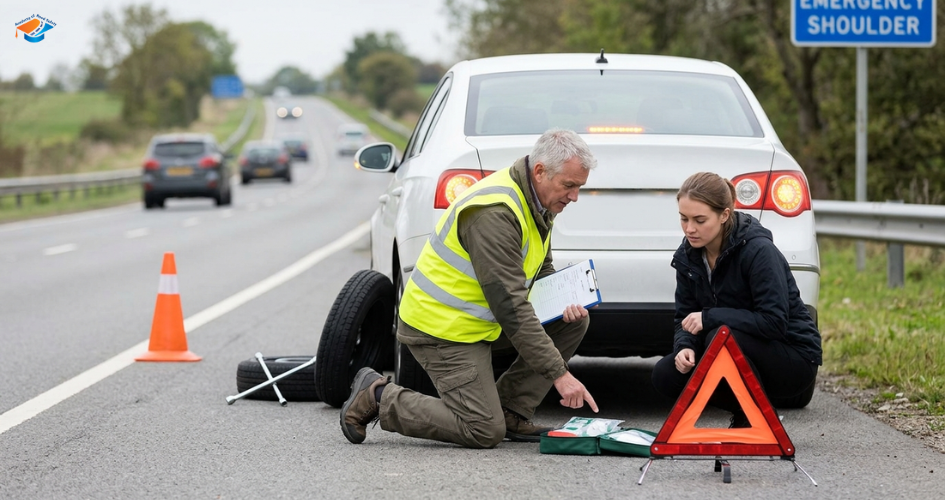
Driving instructors hold one of the most vital responsibilities on Australian roads: preparing learner drivers to navigate everyday traffic safely and empowering them to handle unexpected, high-pressure events. Emergency situations demand rapid split-second decisions, precise vehicle control, and exceptional emotional regulation. Instructors must not only possess these skills themselves, but also master the art of teaching them to anxious, inexperienced learners.
The Role of the Modern Driving Instructor in Road Safety
Teaching someone to drive extends far beyond standard vehicle operations like parallel parking, three-point turns, and obeying posted speed limits. Professional instructors act as the first line of defence against road trauma. When an animal darts onto a rural highway, a vehicle suddenly runs a red light, or severe weather compromises traction, a learner driver’s reaction depends entirely on the preparation provided by their trainer.
Through structured training, instructors build a foundation of risk perception, hazard awareness, and defensive driving techniques. Enrolling in a comprehensive Driving Instructor Course equips future educators with the pedagogical strategies needed to break down complex defensive driving concepts into practical, stress-reducing steps for beginners.
Crucial Emergency Scenarios to Master and Teach
1. Tyre Blowouts at High Speeds
A sudden puncture or blowout creates immediate instability, pulling the vehicle hard toward the side of the damaged tyre. Learners often default to slamming on the brakes, which can cause a rollover or loss of control.
-
Instructor Strategy: Teach learners to keep a firm, two-handed grip on the steering wheel, maintain straight-line tracking, resist the urge to slam the brakes, and gradually ease off the accelerator. Once speed reduces naturally, the driver should signal and safely steer onto the emergency shoulder.
2. Brake Failure
Modern dual-circuit braking systems make total brake failure rare, yet mechanical faults, overheating on steep declines, or hydraulic leaks can still occur.
-
Instructor Strategy: Instructors demonstrate how to pump the foot brake rapidly to rebuild hydraulic pressure. If that fails, learners should learn to downshift to lower gears to harness engine braking and apply the handbrake steadily—without locking the rear wheels—to bring the vehicle to a controlled stop.
3. Uncontrolled Skids and Hydroplaning
Australian weather can swing dramatically, bringing heavy downpours that cause oil buildup to rise on road surfaces. Hydroplaning occurs when water builds up between the tyres and the road, causing a complete loss of traction.
-
Instructor Strategy: Train students to avoid abrupt steering adjustments or hard braking when traction breaks down. They must learn to ease off the accelerator, keep the wheel straight, and wait for the tyres to regain contact with the tarmac.
Essential Instructor Guidelines for Handling Emergencies
| Preparation Phase |
Actionable Focus Area |
Practical Execution |
| Pre-Drive Routine |
Cockpit & Vehicle Inspection |
Ensure seat positioning, mirror alignment, tyre pressure, and tread depth meet safety standards before every lesson. |
| Hazard Identification |
Scanning Techniques |
Train learners on the 12-second visual lead time to spot potential hazards early. |
| Dual Control Mastery |
Instructor Intervention |
Practice calm, assertive intervention using dual controls without inducing panic in the student. |
| Post-Incident Review |
Debriefing & Mindset |
Debrief every near-miss immediately, focusing on root causes rather than placing blame. |
Key Hazard Perception and Mitigation Strategies
1. The 12-Second Visual Lead Time
Most novice drivers look only at the vehicle immediately ahead of them. Effective instruction shifts their gaze further down the road. By scanning 12 seconds ahead in urban environments (and further on open highways), drivers gain crucial extra seconds to identify merging traffic, pedestrians preparing to cross, or sudden stops.
2. Managing Following Distances
Maintaining a minimum three-second gap in clear conditions—and increasing to four or five seconds in wet weather or poor visibility—provides a safety buffer. Instructors must demonstrate how quickly stopping distances increase when speed rises or road conditions deteriorate.
3. Cultivating Spatial Awareness
Emergency escapes often require changing lanes rather than stopping abruptly. Instructors should continuously ask students to identify their "escape routes"—open lanes or shoulders free from obstacles—so the driver remains aware of safe exit points at all times.
The Importance of Formal Qualifications
Becoming a confident educator who can manage live-road risk requires professional training. Undertaking a Driving Instructor Course through an accredited provider ensures candidates gain in-depth knowledge of driver psychology, dual-control management, safety regulations, and instructional methodology.
At Academy Of Road Safety, the curriculum focuses heavily on risk management and practical teaching capabilities. Candidates learn how to create a controlled learning environment, allowing students to build confidence while keeping safety paramount.
Building Resilience and Calm in Learner Drivers
Emergency response isn't purely technical—it's deeply psychological. When faced with sudden danger, the human body naturally enters a fight-or-flight state, leading to muscle tension, tunnel vision, and delayed reaction times.
Instructors play a pivotal role in conditioning learners to remain composed:
-
Maintain a Calm Vocal Tone: The instructor’s voice sets the emotional temperature in the cabin. Calm, clear instructions lower student anxiety during stressful moments.
-
Normalize Mistakes: Frame minor errors as learning opportunities rather than failures. This reduces student fear and keeps them focused on driving safely.
-
Practice Scenario-Based Thinking: Talk through "what-if" scenarios while parked or during quiet stretches of driving to help learners mentally rehearse emergency responses.
By prioritizing defensive driving techniques, spatial awareness, and emotional composure, professional instructors significantly reduce road trauma across Australia. High-quality instruction builds a safer driving culture for generations to come.