What This Article Covers
Learn how instructors can verify learner permit details, check local requirements, maintain accurate records, and respond when compliance concerns arise.
Before the Lesson Begins
Do you think teaching someone to drive is all about steering properly or making the perfect turn? Not really. A driving lesson involves much more than helping learners steer, change lanes, or park safely. A driving instructor needs to consider so many practical responsibilities before letting the learner even start the engine. One part of these responsibilities is ensuring whether their permit is valid and whether the lesson can proceed under the applicable conditions. A quick check before each lesson can help identify permit issues before the learner gets behind the wheel. If you’re an aspiring instructor undertaking a Driving Instructor Course, understanding how to check learner permit compliance is an important part of preparing for the responsibilities of the profession.
Confirm the Learner Is Ready to Drive Legally
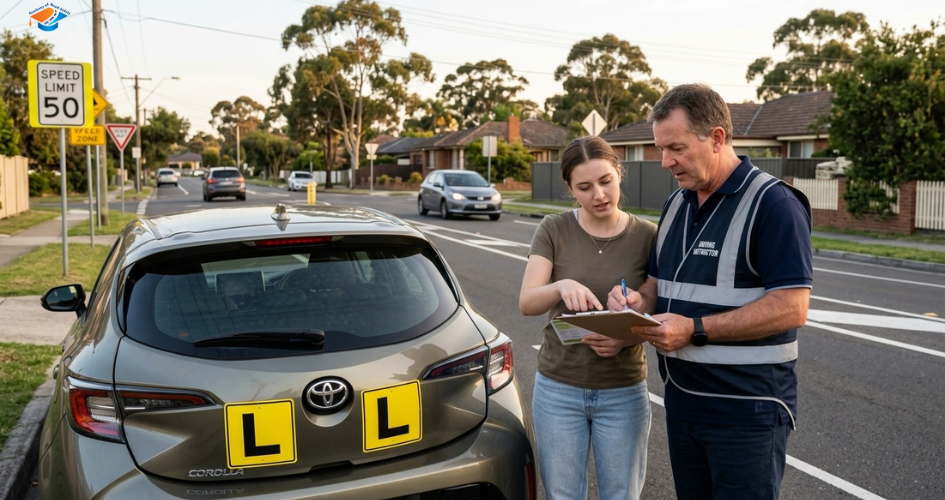
Before the lesson begins, confirm that the learner holds a valid permit for the vehicle they intend to drive. Check the relevant details and any conditions or restrictions that may affect the lesson. Do not rely entirely on what a learner remembers about their permit, particularly if they have recently renewed it or their circumstances have changed. If something appears unclear, take the time to clarify it before driving. An expired permit, an unfamiliar restriction, or a discrepancy in the learner's details should not be brushed aside simply because the lesson has already been booked.
Know the Rules for Your Jurisdiction
Learner permit requirements are not the same across Australia. If you’re considering a Driving Instructor Course Sydney, you need to understand the requirements that apply in NSW rather than assume they are the same across Australia. For example, NSW rules state that learners must drive under appropriate supervision and record their driving experience in an approved logbook. Victoria requires its supervising drivers to meet specific licence requirements and driving instructors also need to follow the relevant rules for supervising learners and recording trips. Similarly, ACT learners must display L plates, drive with a qualified supervising driver in the front passenger seat, and comply with their permit conditions. Check the current guidance from the relevant licensing authority whenever you are unsure.
Make Every Record Count
A driving lesson record should show what actually happened, not what was originally planned. Record each lesson accurately, including the date, duration, and skills practised where required by your record-keeping procedures or applicable rules. Ensure that the entries where the learner's logbook or an approved digital system requires confirmation are completed correctly. This matters because logbooks can be used to demonstrate supervised driving experience and progress. Inaccurate or incomplete entries may create problems when a learner needs to verify their hours or prepare for an assessment. So, remember to never confirm driving hours or competencies that you did not observe or cannot verify.
When a Permit Check Raises Concerns
Sometimes, a learner may be unsure about a permit condition, have incomplete records, or present details that need clarification.Do not assume the permit is valid or continue the lesson until the issue has been clarified. Pause the lesson, explain the concern calmly, and check the relevant requirements with the licensing authority if necessary. If the learner is not legally permitted to drive in the circumstances, do not proceed with the driving component until the issue is resolved. If the learner is not legally permitted to drive, reschedule the practical lesson until the issue has been resolved.
Help Learners Understand Their Responsibilities
Use permit checks as an opportunity to explain the rules learners must follow, including any restrictions that apply to their driving. Explain why their permit conditions matter, show them where to find reliable information, and encourage them to understand their own obligations rather than relying on someone else to remember every rule. By explaining permit conditions during lessons, you can help learners understand their responsibilities before they progress to driving without supervision.
Take the Next Step in Your Instructor Training
Checking permit details may happen before the car moves, but it can shape the safety of the entire lesson. Checking permits and completing records accurately should be routine parts of every instructor's work. The Academy of Road Safety's TLI41225 Certificate IV in Motor Vehicle Driver Training is a starting point for those looking to develop their professional driver training skills. Explore the course to learn more about the training and assessment skills involved in guiding learner drivers.
Frequently Asked Questions
Q1. Why should driving instructors check learner permit compliance?
A: Checking the learner's permit status and applicable conditions helps instructors confirm whether the lesson can proceed lawfully. It also allows potential issues to be identified before driving begins.
Q2. Are learner permit rules the same across Australia?
A: No. Learner permit requirements vary between states and territories. Instructors should check the current licensing rules for the jurisdiction where they teach.
Q3. What should an instructor do if a learner's permit details are unclear?
A: the instructor should pause the lesson and clarify the learner's permit status or conditions before proceeding with the driving component. If necessary, contact the relevant licensing authority rather than making assumptions.
Q4. Why are accurate learner logbook records important?
A: Where required, learner logbooks or approved digital systems record supervised driving experience towards licensing requirements. Entries must be accurate and should only confirm driving hours or activities that can be verified.
Q5. Does TLI41225 cover professional driving instruction?
A: Yes. The TLI41225 Certificate IV in Motor Vehicle Driver Training is a nationally recognised qualification for professional driver training. Additional state or territory licensing requirements may apply before you can work as a driving instructor.