What This Article Covers
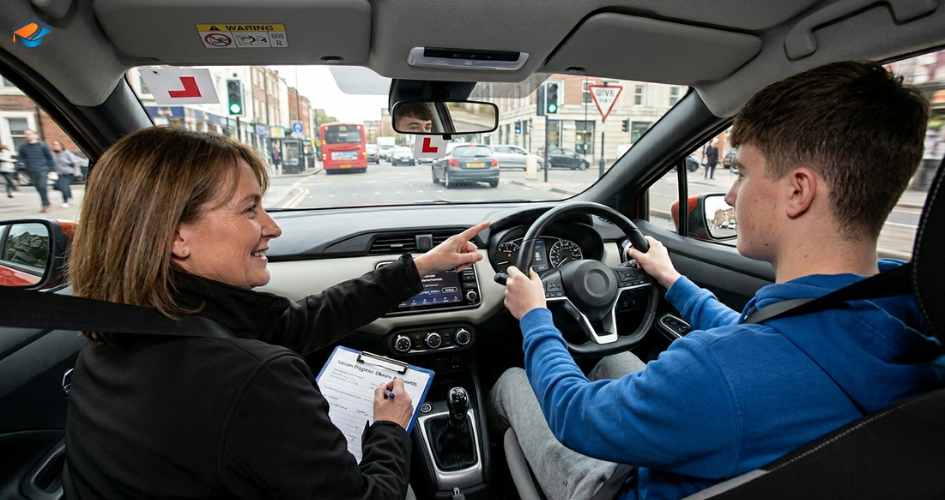
This article explores the common challenges driving instructors face when teaching new drivers, how they adapt lessons to different learners, and why patience, communication, and structured support matter.
Teaching New Drivers Takes More Than Driving Skills
Driving instruction is not just about teaching the learner how to handle the steering wheel and when to brake. It’s much more complex than that. Many people underestimate the difficulties and challenges that driving instructors face in their profession. They deal with a variety of learners with different personalities, confidence levels, learning styles, and learner concerns. From the acutely nervous to the overly confident, all types of learners need guidance not just in vehicle control, but in managing pressure, making decisions, and building safe habits. This is where trained professionals who complete a Driving Instructor Course and qualifications such as TLI41225 come in. They don’t just teach you how to drive, but also help you overcome barriers and become safe, confident, and responsible road users. This blog explores the challenges driving instructors face and how they help learners become good drivers.
The Common Challenges Driving Instructors Face
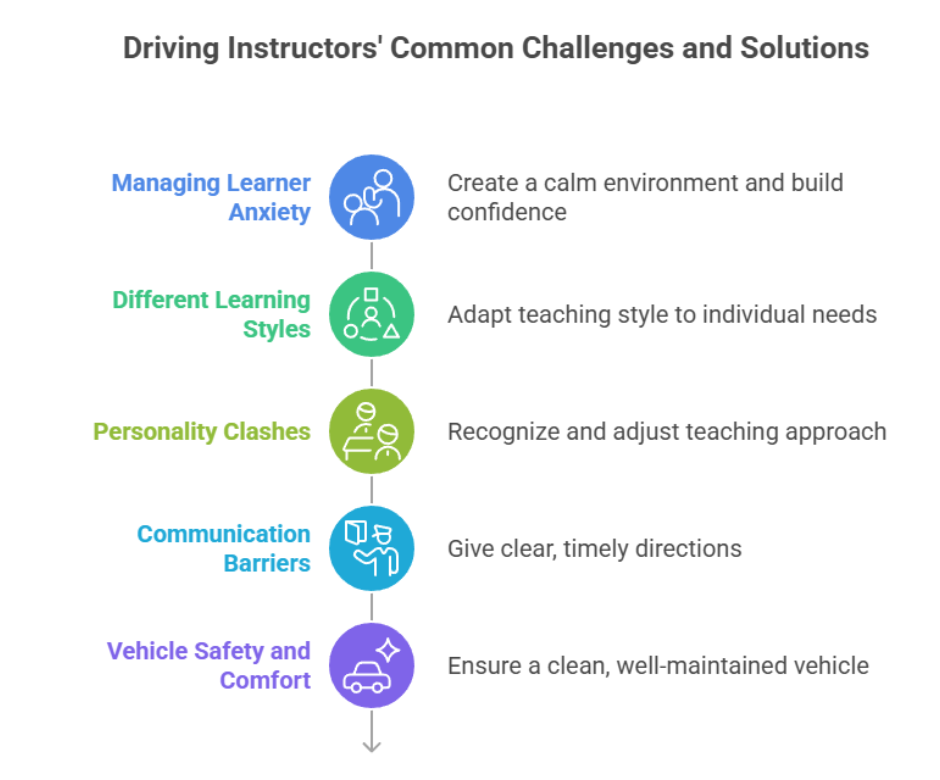
Managing Learner Anxiety
Almost all new learners are nervous to some degree. Some fear traffic, others are afraid of making mistakes or being judged during lessons. While these reactions are normal, the fact is that nervousness is one of the biggest challenges that new drivers face. But when you’re learning from an instructor professionally trained through driving instructor courses, you can learn to handle your nerves. A skilled instructor knows how to create a calm environment, break tasks into smaller steps, and build confidence gradually.
Different Learning Styles
All learners have their own style and pace of learning. Some are quick studies, while others need time and repeated demos to learn something. Some respond well to verbal explanations, while others need visual demonstrations or repeated practice. A good instructor knows this and adapts their teaching style to suit each learner. This helps learners understand concepts faster and feel less frustrated.
Personality Clashes
It may sound strange, but personality clashes are quite common between learners and instructors. They may have different communication styles, pace, or expectations of each other, and that can slow the learner’s progress. Good instructors recognise this early on and try to adjust their teaching to suit each learner’s needs separately.
Communication Barriers
Clear and open communication is important for driving instruction. If the instructors rush through the instructions, or if they’re unclear or misunderstood, it can affect the learner’s progress significantly. It can also make the lessons less effective and affect safety. That’s why professional driving instructors trained through accredited courses like the TLI41225 focus on giving simple, timely directions that all learners can follow confidently.
Vehicle Safety and Comfort
Another common yet underestimated challenge for instructors is the training vehicle. A clean, well-maintained car with working controls can help improve the learning experience. Learners feel more comfortable in a reliable vehicle, while instructors can focus fully on teaching rather than mechanical concerns.
How Good Instructors Help Learners Succeed
Personalised Lessons
All learners learn at their own pace and in their own style. It’s the job of the instructor to tailor their teaching methods to suit the learner’s pace and style. Good instructors know this and ensure their teaching style is suitable for the learners. They also tailor their lessons based on the learner’s strengths, weaknesses, and confidence level.
Regular Feedback
Feedback is important in any kind of education, and driver training is no different. When learners understand what they’re doing well and where they need to work more, they improve faster. Driving instructors trained through professional driving instructor courses understand why feedback is essential and make it a poit to provide timely and constructive feedback to help students track progress, stay motivated, and feel excited to learn more.
Patience and Encouragement
For new learners, it’s important to have confidence in their skills. When the instructors encourage them calmly, it helps reduce anxiety and makes learners more willing to try challenging tasks. This is especially valuable for nervous learners or those who need extra time.
Extended or Gentler Training When Needed
Some learners need a gentle and encouraging style of teaching, while others prefer to have a stern hand and challenges thrown their way. A good driving instructor would understand what each student needs and tailor their teaching style accordingly.
Great Instructors Build More Than Drivers
Teaching new drivers comes with many challenges, but professional instructors know how to turn those challenges into progress. Through patience, communication, personalised lessons, and structured support, they help learners grow into capable and responsible drivers.
If you are passionate about guiding others and making roads safer, consider training with the Academy of Road Safety. With our professional Driving Instructor Course and the TLI41225 qualification, you can gain the skills to teach, mentor, and shape the next generation of safe drivers.
Frequently Asked Questions
Q1. What challenges do driving instructors face with new learners?
A: Common challenges include anxiety, poor confidence, communication barriers, different learning styles, and overconfidence.
Q2. How do driving instructors help nervous learners?
A: They use calm communication, gradual lesson progression, reassurance, and supportive feedback to build confidence.
Q3. Why are personalised driving lessons important?
A: They allow instructors to teach at the learner’s pace and focus on the areas that need the most improvement.
Q4. Can parents help learner drivers improve?
A: Yes. Calm, constructive practice outside lessons can reinforce skills and build experience.
Q5. What is graduated licensing?
A: Graduated licensing is a staged system that gives new drivers increasing privileges as they gain experience safely over time.