What This Article Covers
This article explores why road etiquette is a critical driving skill, how respectful behaviour improves safety, and how professional driving instructors help shape calmer, safer, and more responsible road users.
The Road Is a Shared Space, Not a Competition
Most people think driving is all about operating the vehicle and following the road rules. They also pay the most attention to learning correct steering, safe parking, and vehicle control. But experienced driving instructors know something many drivers overlook: the road is also a shared space. Every decision you make behind the wheel can affect not just you, but other road users, too. So, the way you merge or take a 3-point turn, react to mistakes, manage frustration, or show patience directly affects the behaviour and stress levels of everyone on the road. That is why professional driver education goes far beyond vehicle control. Instructors trained through Driving Instructor Course like TLI41225 understand that respect on the road is not an additional skill. It is a practical requirement that helps prevent conflicts, reduce unpredictable behaviour, and create calmer traffic flow.
Aggressive Driving Is Often a Sign of Poor Control
Most people don’t give a second thought to polite and patient behaviour on the road. In fact, most people mistakenly consider aggressive behaviour like tailgating, aggressive lane changes, constant honking, or cutting people off as signs of confidence. In reality, they usually reflect poor emotional control and reactive decision-making. A frustrated or angry driver is often a less-aware driver. When you drive aggressively, your attention narrows down to achieving your driving goals, making you impulsive and likely to take unsafe risks. Professional instructors trained through quality driving instructor courses are trained to recognise such behaviours in the learners early on. They can identify signs of impatience, overconfidence, or emotional frustration in students and calmly de-escalate those habits before they become permanent. Rather than criticising harshly, they help students understand how stress and aggression affect judgement, awareness, and safety, making them realise that staying calm is the key to making better decisions.
Small Acts of Courtesy Create Safer Roads
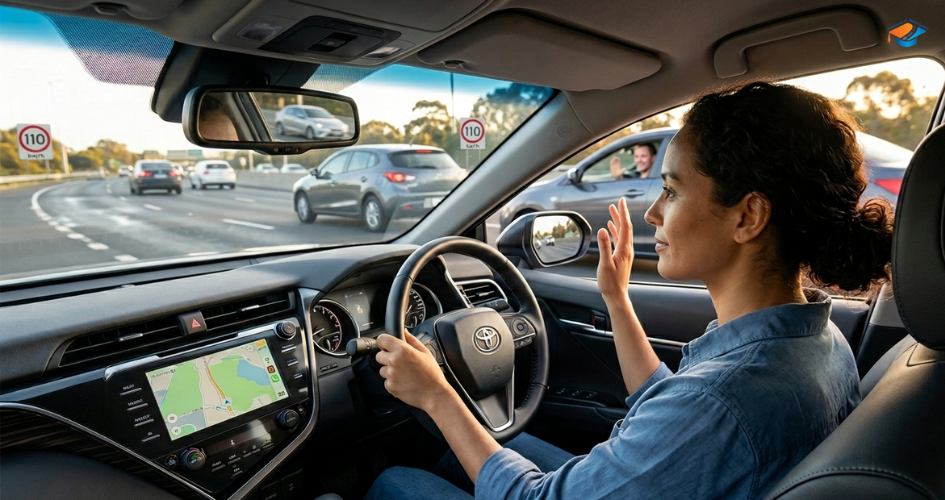
Road etiquette is often built through very small actions. Small actions can have a big impact, especially when you’re driving. Road etiquette is built on these small actions. Simple things like letting a bus merge back into traffic, slowing down to let pedestrians pass, giving extra room to cyclists, etc., are a big part of road etiquette. These actions may seem minor, but together they create a predictable environment where drivers know what to expect from others on the road. This predictability reduces chaos, smoothens traffic flow, and decreases risks. In busy traffic environments, especially in cities like Sydney, such cooperation reduces stress far more effectively than competition ever could. Professional instructors understand this deeply. That’s why driving instructor courses and training programs focus on teaching learners not just to drive safely but also to maintain etiquette and improve the road environment.
Teaching Emotional Intelligence Behind the Wheel
Most people aren’t familiar with the term ‘emotional intelligence’ in driving. Simply put, it’s the ability to manage your emotions while driving so that they don’t put you or others on the road in unsafe situations. While learners may not know it, instructors often try to build emotional intelligence in their students. They go beyond teaching only vehicle controls and traffic rules. They coach students in driving behaviour, awareness, and emotional responses under pressure. If you panic when another driver on the road makes a mistake, you’re also likely to react unsafely. If you get impatient in heavy traffic, you might take unnecessary risks. Instructors teach students to recognise such risky emotional reactions and control them.
Instructors help learners to read the intentions of other drivers, anticipate conflict and stay patient and calm so that the situation doesn’t escalate. Programs like the TLI41225 include behavioural coaching principles that help instructors guide learners through stressful situations calmly and constructively. These lifelong skills matter more for a driver than a perfect parking technique.
The Ripple Effect of Respectful Driving
Ever heard of the ripple effect? Respectful driving behaviour has that effect on the drivers. If you’re calm and patient while driving, your calmness may influence the traffic surrounding you to calm down and take a breather from stress. In contrast, if you drive aggressively, other road users may find it irritating and frustrating, triggering more aggression, frustration, and unsafe reactions from them. This is where the job of a driving instructor becomes essential. Professional instructors trained through a Driving Instructor Course Sydney teach students to be patient, kind, and calm on the road, which will ultimately influence other road users too. They play an important role in helping build a road culture based on patience, trust, awareness, and respect.
Safer Roads Begin with Respect
Road safety isn’t just about technical skills or traffic rule compliance. It is about awareness, patience, cooperation, and respect for all road users. It’s time we stop thinking of road etiquette as an optional extra in driver education, and recognise it as one of the foundations of safe driving itself.
If you are an aspiring instructor passionate about shaping safer roads and influencing the next generation of drivers, consider enrolling in a Driving Instructor Course with the Academy of Road Safety. We offer a wide range of driving instructor courses, including the TLI41225 qualification, to give you the technical and behavioural coaching skills needed to become a successful, impactful, and memorable driving instructor.
Frequently Asked Questions
Q1. Why is road etiquette important for safe driving?
A: Road etiquette improves predictability, reduces aggression, and helps create safer interactions between drivers, pedestrians, cyclists, and other road users.
Q2. What is considered poor road etiquette?
A: Tailgating, cutting off drivers, excessive honking, blocking merges, and aggressive driving behaviours are all examples of poor road etiquette.
Q3. How do driving instructors teach road etiquette?
A: Professional instructors teach learners patience, awareness, emotional control, defensive driving, and respectful behaviour in real-world traffic situations.
Q4. What is emotional intelligence in driving?
A: Emotional intelligence in driving involves managing frustration, staying calm under pressure, and responding safely to challenging traffic situations.
Q5. Can respectful driving reduce accidents?
A: Yes. Predictable and cooperative driving behaviour reduces sudden reactions, road rage, and unsafe decisions, helping improve overall road safety.